Halloween and College Drinking
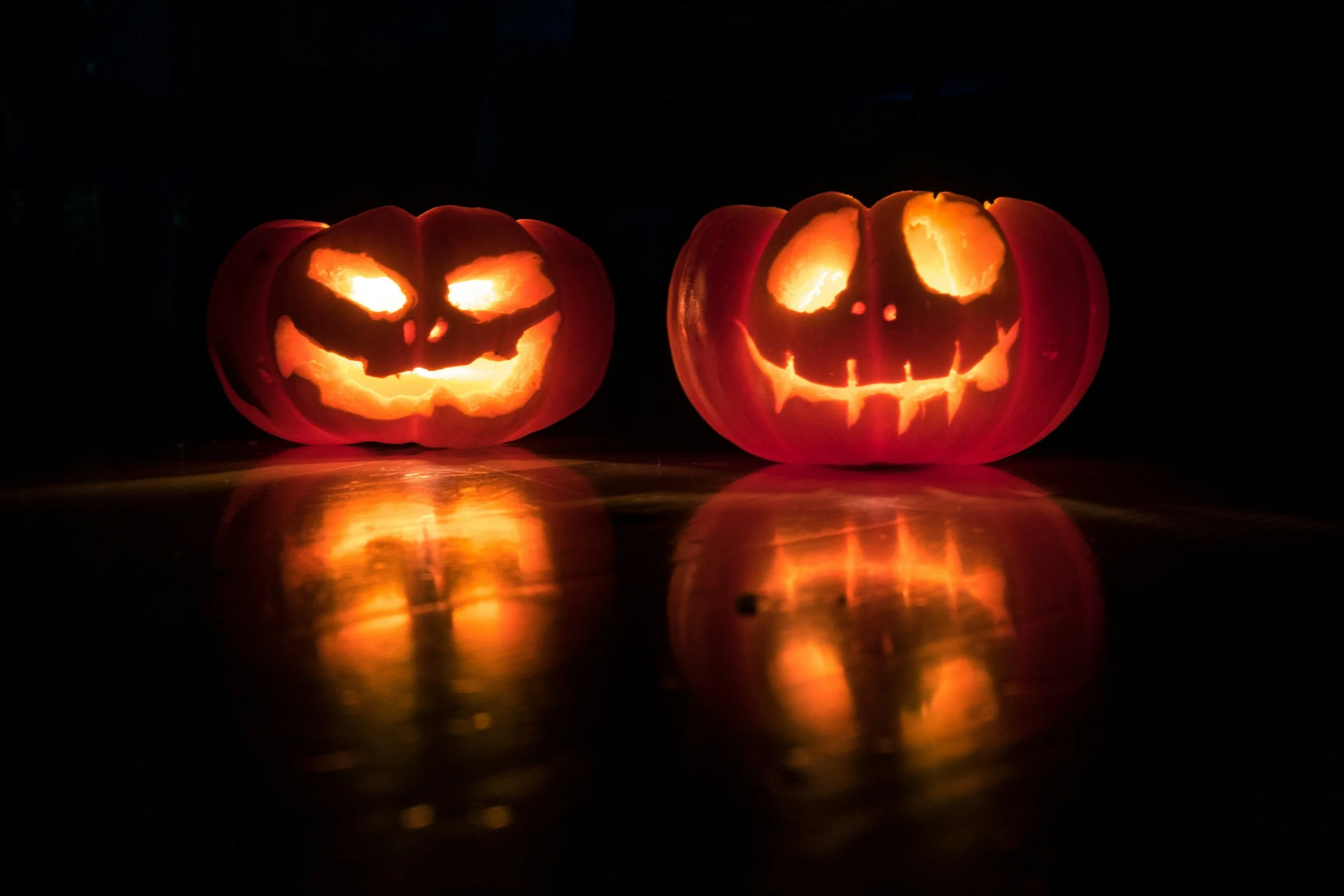
Halloween is one of my favorite times of the year. I love the costumes, pumpkin picking, and rewatching old Halloween movies. Unfortunately, for many college students, Halloween can come with unwanted pressure to drink. With all the parties and excitement, it's not uncommon to drink more than you initially planned.
And look, as a college student, I understand the excitement and pressure of Halloweekend. But there's a way to have fun without putting yourself in a dangerous situation. This blog aims to help you learn about safer drinking habits and tricks to stay safe on Halloween.
What Is Binge Drinking?
The National Institute on Alcohol Abuse and Alcoholism (NIAAA) defines binge drinking as a pattern of drinking that brings a person's blood alcohol concentration (BAC) to 0.08%. This typically equates to about 5 or more drinks for males and 4 or more drinks for females in about 2 hours. Binge drinking increases the risk of blackouts, alcohol poisoning, unsafe sexual behavior, injuries, and other short- and long-term health problems.
Safer drinking means having no more than one drink in one hour. One drink, also known as a standard drink, is defined as:
- 12 fl oz of a standard beer or seltzer (about 5% alcohol)
- 5 fl oz of a standard wine (about 12% alcohol)
- 1.5 fl oz of hard liquor (about 40% alcohol)
It's important to remember that any amount of drinking can affect your health, but drinking in moderation is your safest option if you choose to drink on Halloween.
This year's Halloween is of particular concern because it falls on a Saturday, so many students may feel like they have the entire night to do whatever they want and recover on Sunday. But binge drinking can have long-term effects that you won't simply be able to recover from on Sunday.
Why Halloween Can Increase Drinking
Halloween in college is endearingly labeled "Halloweekend." The partying typically lasts all weekend, and for many college students, that can feel overwhelming. How can I possibly avoid three nights of drinking?
One tip is to have a plan before heading to a party. Decide how much you're comfortable drinking, make sure you have a safe way home, or choose not to drink at all. You can also ask a trusted friend to help you stick to your boundaries and intercept any peer pressure. Having a plan and a friend can make it easier to hold your ground when you're caught up in the excitement of the night. Halloween should be about enjoying yourself, not feeling pressured to do something that makes you uncomfortable.
While I can't speak for everyone's college experience, I've found that a lot of peer pressure can actually come from within. We naturally don't want to be the odd one out, so when everyone else is drinking, we may feel pressured to blend in and accept more drinks than we can handle. A helpful first step is to identify where the pressure is coming from: who's actually pressuring you to drink?
If It's a Friend…
In this situation, it can be more challenging to avoid pressure since it may be difficult to distance yourself from your friend. However, there are several ways you can shut it down.
The first is talking to them way before any drinking starts. There is nothing wrong with setting boundaries, and as your friend, they should accept them. You can start by telling your friend that you only want to have a certain number of drinks that night. Let them know that you're in no way dictating what anyone else should drink and that this is simply a non-negotiable personal boundary.
Sometimes people feel defensive or judged by someone who chooses not to drink, through no fault of yours. Reassuring your friend that you're not judging them can go a long way. If your friend reacts poorly, there's always the option to not go out with this friend. If you feel uncomfortable leaving your friend, you can ask another friend to come along and help intercept any pressure.
Personally, I believe a true friend should respect your boundaries, but I understand how difficult and awkward it can be to create this distance. And so, having a trusted buddy can help protect you on Halloween night.
If It's a Stranger…
Sometimes the person pressuring you to drink isn't even someone you know. Maybe someone at a party hands you a drink, asks why you're not drinking, or keeps encouraging you to "just have one more." In these situations, you don't owe anyone an explanation.
A simple "No, thank you" is enough. You can also blame it on something completely unrelated if that makes you more comfortable. "I have an early morning," "I'm the designated driver," or even "I'm good with what I have" can be an easy way to shut down the conversation without making it a bigger deal than it needs to be.
If someone continues to pressure you after you've said no, that's a pretty good sign you should remove yourself from the situation. Find your friends, move to another part of the party, or leave altogether. You don't need to stay somewhere that makes you uncomfortable just because everyone else is having fun.
If It's an Inside Voice…
Did you know that most college students overestimate how much their peers drink? In a study of more than 1,300 first-year students at one college, about 85% overestimated how often a typical peer drinks heavily, and that overestimate was associated with more drinking by the students themselves (Cox et al., 2019). Students were noticeably more accurate about their close friends' drinking than about their peers in general.
In plain terms, you may drink more because you think everyone else is drinking heavily, when in reality people may be drinking much less than you realize.
With this information, you can start to notice when the pressure to drink is coming from your own expectations about college drinking. You now know that people aren't necessarily drinking as much as you think. You also know you're not alone in feeling this pressure.
So the next time you look around a party and think, "Everyone is drinking except me," take a second to question that thought. Are they really? Or are you assuming that everyone is drinking more than they actually are?
You might even find that drinking less doesn't make you stand out as much as you thought it would. At the end of the night, the goal isn't to prove that you can keep up with everyone else. The goal is to have a good time and make it home safely.
You Can Still Have Fun Without Drinking
Halloween doesn't have to revolve around alcohol. You can dress up with your friends, go to a Halloween party, watch movies, go pumpkin picking, or simply spend the night with people you enjoy. And if you do choose to drink, you can still make choices that reduce your risk.
Know your limits, keep an eye on your friends, have a plan for getting home, and never leave a friend alone if they're showing signs of alcohol poisoning.
Know the signs of alcohol poisoning: confusion, vomiting, slow or irregular breathing, pale or bluish skin, a very low body temperature, or passing out and being unable to wake up.
If you see these signs, call 911 right away and stay with the person until help arrives. Don't wait for them to "sleep it off."
Most importantly, remember that you don't have to drink just because everyone else is. Halloweekend is supposed to be fun. You should be able to enjoy it without waking up the next morning wishing you had made different choices.
References
- Cox, M. J., DiBello, A. M., Meisel, M. K., Ott, M. Q., Kenney, S. R., Clark, M. A., & Barnett, N. P. (2019). Do misperceptions of peer drinking influence personal drinking behavior? Results from a complete social network of first-year college students. Psychology of Addictive Behaviors, 33(3), 297–303. https://doi.org/10.1037/adb0000455
- National Institute on Alcohol Abuse and Alcoholism. (n.d.). Alcohol's effects on health: Research-based information on drinking and its impact. National Institutes of Health. https://www.niaaa.nih.gov/alcohols-effects-health
- National Institute on Alcohol Abuse and Alcoholism. (n.d.). What is a standard drink? National Institutes of Health. https://www.niaaa.nih.gov/alcohols-effects-health/what-standard-drink
- The Gordie Center. (n.d.). Safer drinking guidelines. University of Virginia Student Health and Wellness. https://gordie.studenthealth.virginia.edu/learn/alcohol-education/safer-drinking-guidelines
Keep Reading
Worried about your own drinking, or a friend's? Our team works with teens and young adults on stress, peer pressure, boundaries, and healthy coping, in person in Red Bank and Oceanport and via telehealth. Questions about cost? See our fees and FAQ, or learn more about our therapy services.
📍 navesinkpsych.com/contact 📞 732-784-7793 ✉️ mstrobel@navesinkpsych.com
Schedule a Free Consultation