When the Holidays Aren't Always Merry
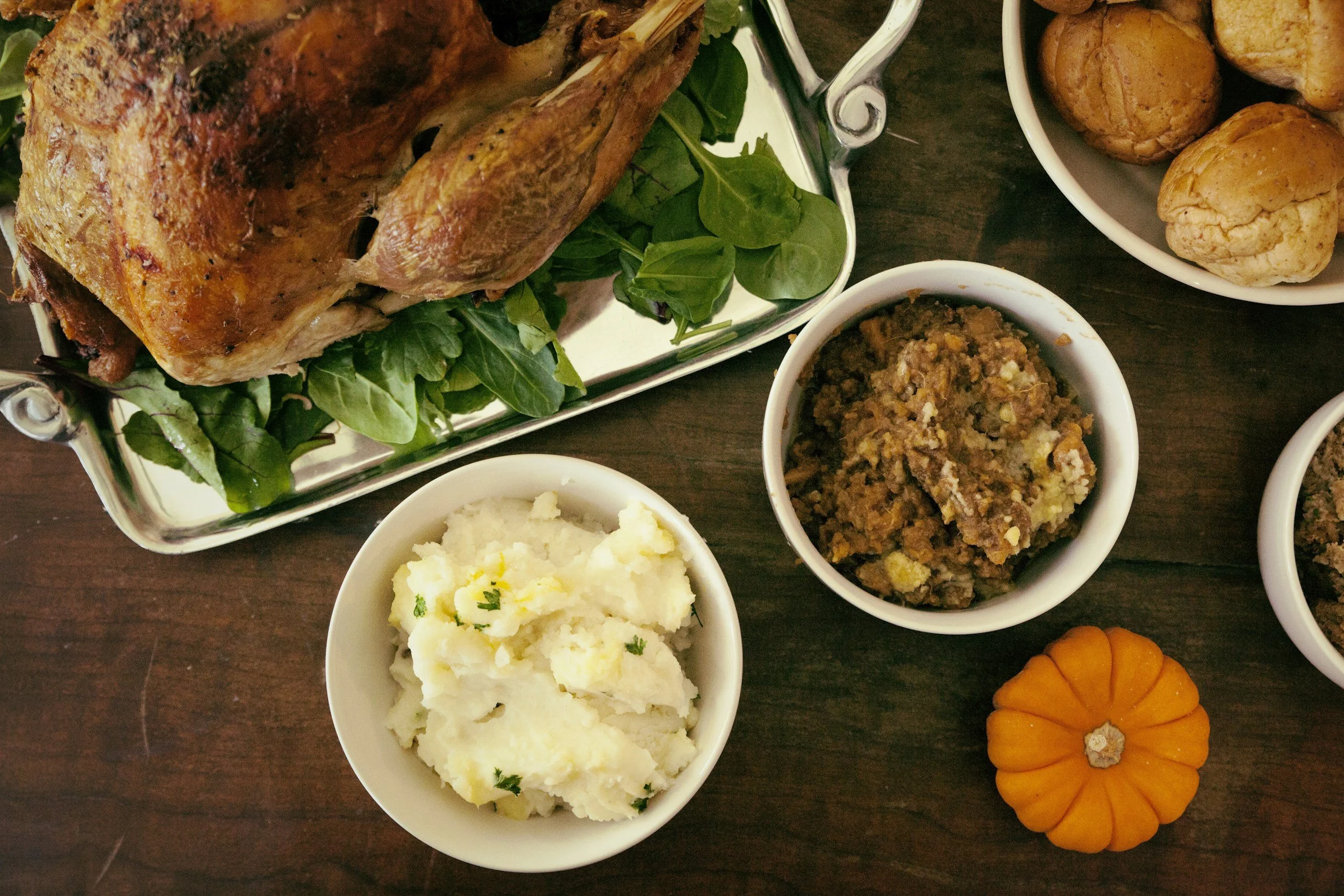
Every year when the holidays roll around, many of us expect our family gatherings to match this week's Hallmark special. Whichever holidays you celebrate (Thanksgiving, Christmas, Hanukkah, Kwanzaa, Diwali, Eid, Lunar New Year, or a tradition all your own), we're drowning in songs and movies that depict this season as the most magical time of the year, so why wouldn't we expect it to be that way? Why wouldn't we hope this year will be different?
And the reality many of us face is disappointment, tied up neatly under the Christmas tree, stuffed into the Thanksgiving turkey, fried into the Hanukkah latkes, or served alongside the Diwali sweets and the Eid feast. Maybe you're disappointed because you burnt the meal. Maybe you finally got a job, only for your mom to switch gears and worry about your love life instead. Either way, you're not alone in feeling the holiday blues or wishing your holiday felt a little more magical.
Holidays are rarely picture-perfect, and depending on your situation, you may be feeling (very understandably) dread or disappointment. Stop comparing yourself to unrealistic holiday expectations. It's okay for things to be a little rocky, and there are ways to protect your mental health while still spending time with your family and celebrating. At the end of the day, you can't control how your holiday goes. You can only control you, and how you plan to react and manage the situation.
Your Holiday Survival Kit: Preparing Before You Arrive
Surviving the holidays starts before you even walk through the door. Before you arrive, take advantage of these steps to prepare for the big family meal or gathering:
- Identify your triggers. Recognize the family members, topics, or situations that tend to cause stress or upset, and do your best to avoid them or steer the attention elsewhere. It's not always possible, so be prepared to handle them in a calm, de-escalating way.
- Set and accept realistic expectations. Look, at the end of the day, you know your family better than anyone. Whether you have a judgy mom or a taunting brother-in-law, nobody's family is perfect, and sometimes accepting your family's imperfections is necessary. Instead of expecting everyone to get along or every conversation to go smoothly, focus on the smaller things you might enjoy, like catching up with a cousin, savoring your favorite holiday dish, or having a few peaceful moments. Give yourself permission to have mixed emotions, too. You can appreciate spending time with your family while still feeling frustrated or overwhelmed. And accepting imperfections doesn't mean excusing hurtful or harmful behavior. You're allowed to protect yourself from it.
- Make a plan. Your holiday plan may include having someone in your family you can turn to for support, having an emergency exit plan, and having statements ready to redirect family members away from sensitive topics. Plan for some breaks to reset throughout the time together. This can be as simple as splashing some water on your face in the bathroom or going for a quick walk outside.
- Practice a few responses. Plan ways to redirect uncomfortable conversations, with lines like, "I want to hear about this instead," or "I'd rather not get into that today. Let's enjoy dinner!"
- Set boundaries. Before you arrive, set some personal boundaries about how long you're staying, what you are and aren't willing to disclose, and so on. That can include alcohol, if it's part of your gathering: it's okay to hold a mocktail or say, "I'm good for now." Boundaries aren't about controlling other people's behavior. They're about deciding what you're comfortable with and how you'll respond when those limits aren't respected.
Navigating the Dinner Table
A concept I find useful comes from Alan Watts: when we try to exercise power or control over someone else, we can't avoid giving that person the same power or control over us.
It's easier said than done, but remind yourself not to take responsibility for other people's emotions or actions. You can consider and support your family members without sacrificing your own well-being. Unfortunately, not everyone is going to act how you'd like (trust me, I've tried!).
It's likely that a conversation or comment will get uncomfortable, but you don't have to grace every comment with a response. You don't owe anyone an explanation for your boundaries, no matter how much they pry.
It's also important to recognize when a conversation is getting out of control. If you feel yourself becoming frustrated or overwhelmed, give yourself permission to walk away. Feel free to use any excuse in the book: maybe your aunt needs help in the kitchen, or your cousin could use someone to play games with. Exiting a conversation isn't rude. It's a healthy way to maintain your boundaries and prevent further escalation.
Family Doesn't Have to Be Blood
Not everyone has a family that feels supportive or comforting, and that's okay. You're not alone in that. You can still find ways to enjoy the holiday season, whether it's a coworker holiday party, a Friendsgiving dinner, a Hanukkah, Diwali, or Eid get-together with friends, or a holiday market with friends. Family doesn't have to be limited to the people you're related to. Spending time with people who make you feel loved and appreciated is important, so prioritize it.
When the Holidays Feel Heavier Than Awkward
For some people, the holidays bring up grief or family situations that are more than uncomfortable. If you're missing someone at the table, it's okay for the day to feel heavy and to make room for that.
If a family situation ever feels unsafe, you don't owe anyone your presence. It's okay to skip the gathering or leave early.
And if the holiday blues linger well after the season, or you're feeling hopeless, consider talking with a professional. You can learn more about our therapy services or browse our posts on coping skills.
If you're ever in crisis: Call or text 988, the Suicide & Crisis Lifeline.
The Post-Holiday Reset
So maybe, despite all your planning, the turkey was dry, the latkes were burnt, your uncle brought up politics, and dinner didn't go quite as planned. First, reassure yourself that family gatherings are often far from perfect, and give yourself some grace. Difficult gatherings can leave you emotionally drained, and you don't need to bounce back the moment the holiday is over. Allow yourself time to decompress and do something you enjoy. Maybe it's a carefully sculpted self-care day with cozy movies, favorite music, and leftover treats, or a coffee date to complain with your best friend. You deserve it, so make time for yourself.
At the end of the day, holidays are rarely picture-perfect. You can't control what your family says, how they behave, or whether dinner turns into an unexpected debate. But you can control how you prepare, how you respond, and how you take care of yourself.
Keep Reading
Dreading the holidays? Our team works with teens, young adults, and adults on stress, family dynamics, anxiety, and low mood, in person in Red Bank and Oceanport and via telehealth. Questions about cost? See our fees and FAQ, or learn more about our therapy services.
📍 navesinkpsych.com/contact 📞 732-784-7793 ✉️ mstrobel@navesinkpsych.com
Schedule a Free Consultation