What Jalen Brunson's championship mindset can teach students, parents, and anyone building something worth being proud of.
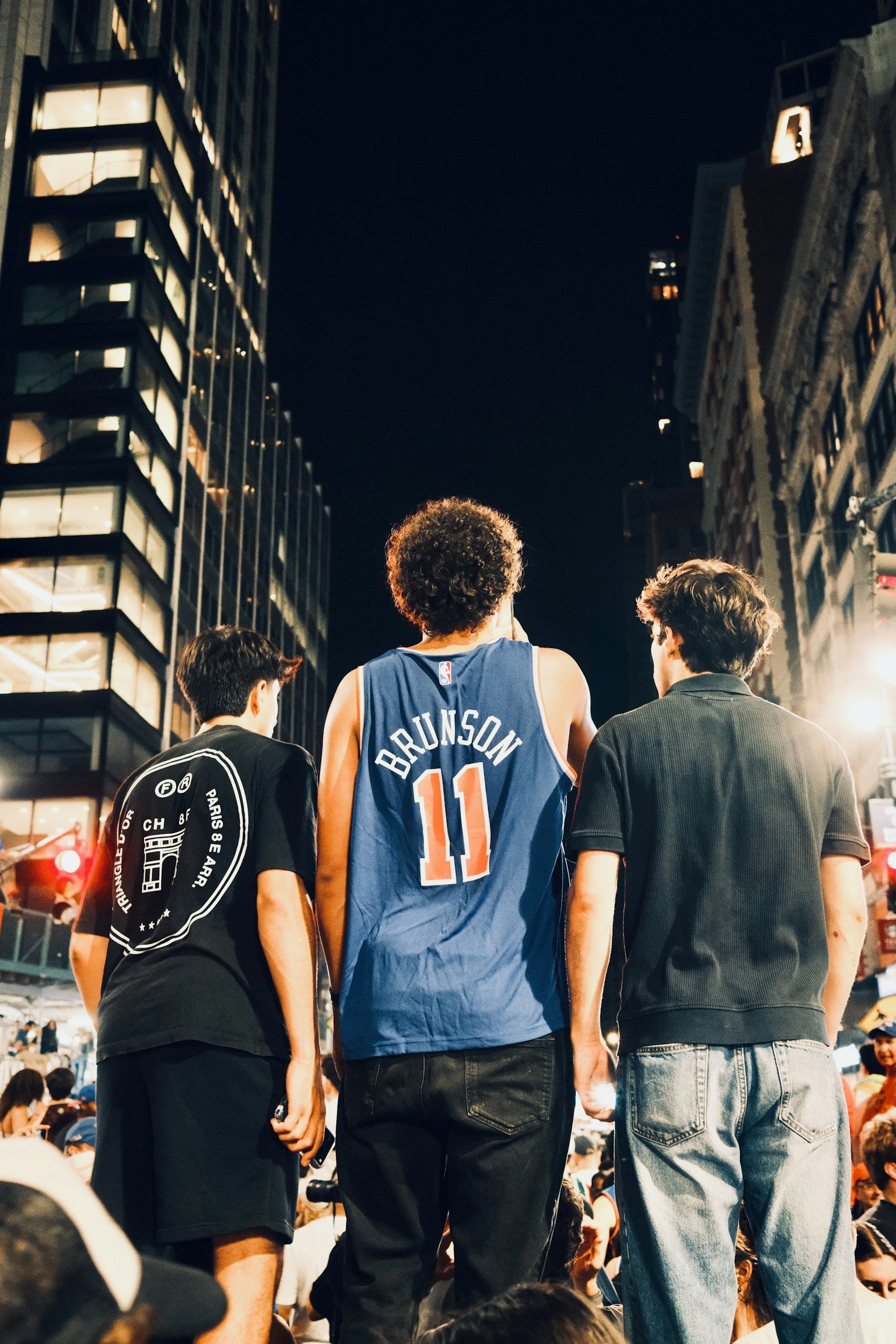
The New York Knicks just won the 2026 NBA Championship, and if you have been following this team at all, you know that Jalen Brunson has been the heartbeat of this entire run. But what struck me most in the aftermath was not a highlight reel moment. It was what Brunson said about where his confidence actually comes from.
That is not just a great sports quote. It is a framework for how any of us, students especially, can approach performance, preparation, and the pressure that comes with being asked to deliver in front of others.
The psychology behind working when no one is watching
There is a well-established phenomenon in psychology called social facilitation and social inhibition. Here is the basic idea: when we are watched by others, we tend to perform well-practiced, mastered tasks even better. The presence of an audience elevates arousal, and for things we know deeply, that arousal helps. But for tasks we have not yet mastered, that same arousal makes performance worse.
Think about what that means for students. A student who has genuinely studied and worked through the material before a quiz or exam is not just better prepared on the content: they are also more likely to perform even better under the social pressure of a classroom full of peers. The crowd becomes an advantage, not a threat.
The reverse is equally true. A student who has not put in adequate preparation does not just show up underprepared: the social pressure of the testing environment can actually push their performance further down. The same audience that lifts the prepared student can work against the unprepared one.
When the lights were brightest, Jalen was able to shine because he had already mastered his craft in the quiet moments. The crowd at Madison Square Garden did not create his confidence. It just gave it somewhere to go.
Every child needs a champion
Brunson is the first to point to his father, Rick, as a foundational reason for who he became. Rick Brunson played in the NBA for nine seasons, including a stint with the Knicks in 1999, the last time the team reached the Finals before this year. But what Jalen has talked about repeatedly is not the games or the highlights. It is the hours.
Rick was Jalen's champion. Not just a cheerleader, but someone who held him accountable, pushed him when he wanted to stop, and modeled the exact work ethic he was asking his son to build. Every child needs that person. Someone who encourages them when they feel defeated, picks them up when they fall down physically or emotionally, and walks alongside them through the ups and the downs without looking away.
That role does not require athletic expertise or professional credentials. It requires presence, consistency, and the willingness to keep showing up even when your child pushes back. For many kids, that champion is a parent. For others, it might be a coach, a teacher, a therapist, or a mentor. What matters is that the child has someone who genuinely believes in their capacity to grow and is willing to stay in it with them.
The team you build around yourself matters
Brunson has been equally clear about his teammates. The Knicks were given a 31% chance of winning the championship heading into the Finals. They were doubted throughout the postseason. But from inside that locker room, the only opinions that mattered were their own.
For children, the peer group works the same way. Who your child spends time with shapes how they see themselves, what they believe is possible, and whether they are lifted up or pulled down in moments of doubt. As parents and caregivers, one of the most meaningful things we can do is help our children pay attention to how the people around them make them feel: not the social status of those friendships, not the popularity implications, but whether those relationships bring out the best in them.
Help your child ask: does this person encourage me? Do I feel better or worse about myself after spending time with them? Do they push me in a good direction or pull me away from my goals? Those questions matter more than any other metric of a friendship's value.
Three lessons worth taking from the Knicks' championship run
-
1Prepare in private so you can perform in publicThe confidence Brunson showed in the Finals was built in gyms with no audience, in summers with no cameras. For students, consistent study and practice before assessments does not just improve scores: it changes how the pressure of performing in front of others actually feels.
-
2Find your champion and be one for someone elseRick Brunson showed up with accountability and belief in equal measure. Every child deserves that presence. If you are a parent, caregiver, or educator, that role may already be yours. Step into it intentionally.
-
3Build your team with intentionThe right people make hard work more sustainable and self-belief more durable. Help the children in your life evaluate their friendships not by social currency but by how those relationships make them feel about themselves and their potential.
Frequently asked questions
The Knicks were given a 31% chance. They did not let anyone else's math define what was possible. That kind of belief does not arrive on its own: it is built, quietly and consistently, in the work that happens when no one is watching.
If you are looking to support your child's motivation, self-belief, or academic performance, our team at Navesink Psychological Services is here to help.
Reach out for a free consultation