What parents need to know, and how to say it.
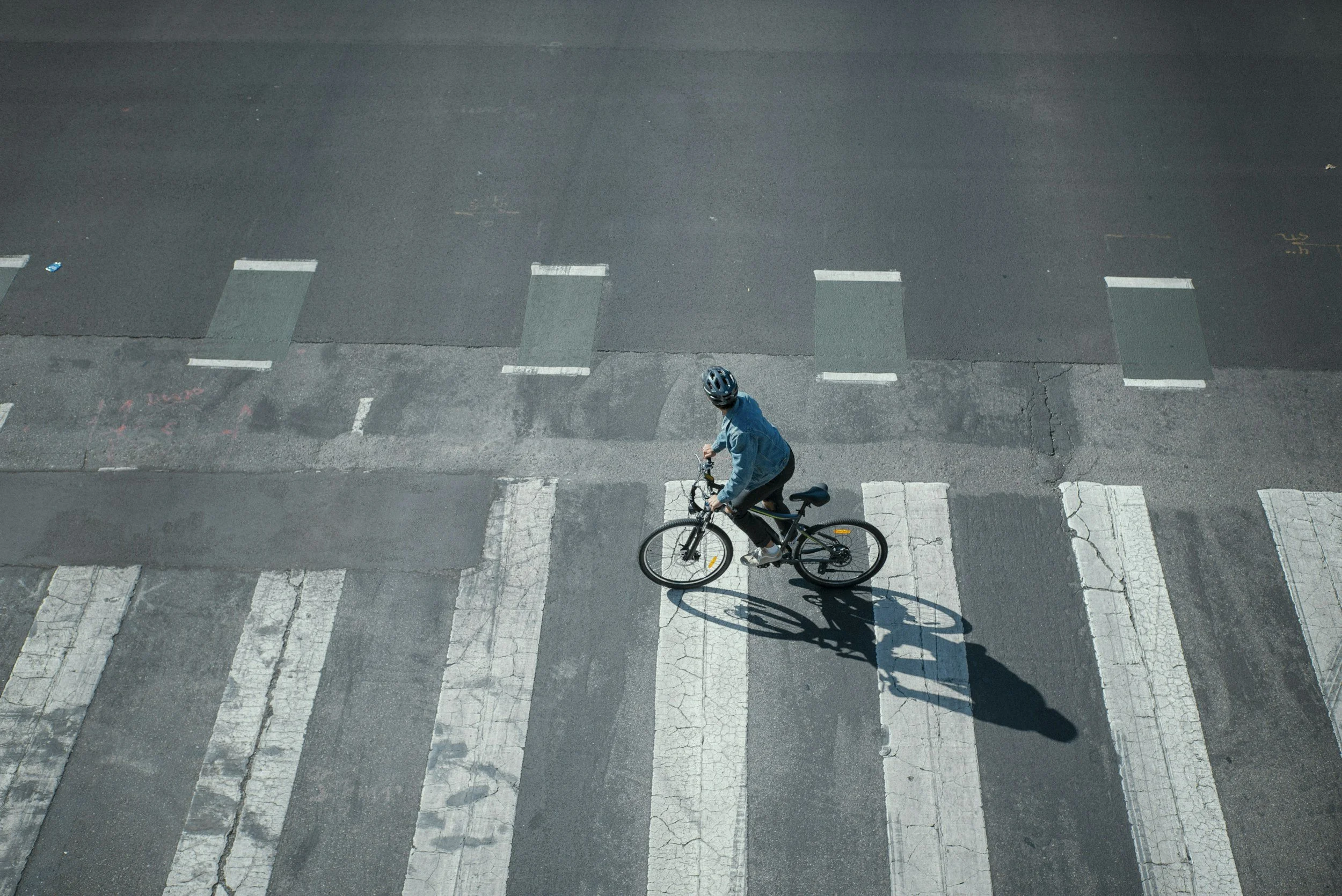
Our community has experienced real tragedy recently involving e-bikes. If you have a kid asking for an e-bike or permission to ride a friend's, this post is for you. Our goal is to equip parents with the knowledge and skills they need to feel ready to effectively talk to their teen and keep them safe.
This post comes from a place of deep personal experience. I was hit by a car while riding a regular bicycle as a young adult. I was lucky. The outcome could have been very different. And I was a college-aged adult with a developed brain and years of experience navigating the world and driving. I still ended up in the wrong place at the wrong time. That is the nature of road accidents. They can happen to anyone. But they are significantly more likely to happen to people who feel invincible and whose brains are not yet wired for the kind of situational awareness that sharing a road with cars requires.
That is not a criticism of teenagers. It is neuroscience.
The teen brain is not built for this
The prefrontal cortex, the part of the brain responsible for impulse control, risk assessment, and decision-making, does not fully develop until the mid-twenties, and develops later in males. Teenagers are not making bad decisions because they are bad kids. They are making bad decisions because the part of the brain that pumps the brakes on bad decisions is still under construction.
But it is not just the prefrontal cortex. Three interconnected areas of the brain all play a role in the kind of situational awareness that riding an e-bike on a road with cars actually requires.
E-bikes add a layer of danger that regular bicycles simply do not have. They are faster, heavier, and capable of reaching speeds that require real road experience to navigate safely. Most teenagers have never driven a car, and if they have it has not been for long. They have no frame of reference for how vehicles behave, how intersections work, or how fast things can go wrong. Throwing them onto a machine that can hit 28 miles per hour or more on a road with cars is not the same as letting them ride a bike around the neighborhood.
And then there are the modified bikes. Many of the e-bikes being sold and traded among teenagers have been altered to go significantly faster than their original design. Parents often do not know this is happening. The bike looks the same. It is not. Finding a reputable bike shop that can show you the differences and help your teen pick a bike that is the right fit is a great way to find a middle ground for teens who want an e-bike and parents who want to keep them safe. It also follows the harm reduction approach we will talk about next.
Abstinence does not work
I want to be honest with parents here, because I think the instinct to say "absolutely not, end of conversation" is understandable but not always effective. We know from research on teen substance use, sexual behavior, and risk-taking that a pure abstinence approach tends to fail. Teens find ways around it. The goal is not to pretend the risk does not exist. The goal is harm reduction.
That means: if your teenager is going to be around e-bikes, which they will be because their friends have them, the conversation cannot end at no. It has to include what to do when a friend offers them a ride, what to do if they feel pressured, and what safety looks like if they are ever on one.
-
1If you do allow an e-bikeDo not allow one that can be modified. Know exactly what your child has. Use location tracking apps like Life360, which can show you real-time speed not just location. Set clear expectations about speed limits, which roads are off-limits, and helmet use, with real consequences for violations and real rewards for consistent safe behavior.
-
2If you do not allow an e-bikeMake sure your teenager knows how to handle the moment a friend hands them a helmet and says get on. That conversation needs to happen before the moment, not after. Give them a script, not just a rule.
-
3Find the middle ground with a reputable bike shopA knowledgeable shop can help you and your teen understand the difference between a safe, age-appropriate e-bike and the kind that gets modified and traded among teens at dangerous speeds. Involving your teen in that choice gives them ownership and you confidence in what they are riding.
How to talk to your teen about peer pressure around e-bikes
This is where the clinical piece comes in. We see this pattern constantly with alcohol, nicotine, and substance use. The same dynamics apply here.
Teenagers are not usually pressured by strangers. They are pressured by friends they like and want to stay connected to. Saying no in that moment feels like saying no to the friendship, which is why a flat refusal rarely works without a way out.
Give your teenager an exit. Something they can say that does not make them the problem.
Let the parent be the villain. That is fine. We can take it.
Let's not be naive: teens are much more tech savvy than parents and will always find a way to work around a system. Tracking is just one tool in the toolbox, but just like sometimes you need a hammer and sometimes you need a wrench, we always want to stock the toolbox with the right tools for the job. Besides tracking, regular conversations about the dangers of riding too fast can go a long way. Try not to preach. Instead, take an approach where you ask more questions than you provide facts. Keep the conversation open and ongoing. How to Talk So Teens Will Listen and Listen So Teens Will Talk is a timeless classic with practical advice for parents about how to have your voice actually heard.
The goal is to give your teenager a script that preserves the friendship and gets them off the bike.
When they say you're being overprotective
They will say it. Here is how I respond, and you are welcome to use it:
Overprotective is what teenagers call it when a parent does their job and the teenager does not like the outcome. That is okay. They do not have to like it. It is your job to keep them safe.
A note on New Jersey law
As of July 19, 2026, New Jersey has some of the strictest e-bike laws in the country. This is worth knowing not just for safety reasons but because it gives you a concrete, factual basis for the conversation with your teen that is harder to push back on than "I just think it's dangerous."
If your teenager is riding without a license, registration, and insurance, they are breaking the law. If something happens, your family may have no coverage. At best, something could happen to your child. At worst, others could be seriously hurt too.
Frequently asked questions
Saying no to your teenager is one of the hardest parts of parenting. It does not feel good. It creates conflict. They will be angry. And it is still the right call. You are not their peer. You are their parent. Those are different jobs, and the second one matters more.
If you want support navigating these conversations with your teen, or if your family is processing fear or grief connected to what has been happening in our community, our team is here.
Reach out for a free consultation